Milan is today one of Italy's most dynamic hubs for digital innovation: startups, growing SMEs, and large companies choose the city to develop their mobile products, drawn by an ecosystem rich in talent, technical expertise, and investment opportunities. But if you're looking for an app development agency in Milan, the real question isn't "who can write the code," but "who can turn your idea into a product people will actually use."
In this article, we look at what sets a good app development partner apart, the key phases of a successful mobile project, and why, in Milan, a design-driven approach is becoming the standard for anyone who wants to compete in the market.

Why Milan is a strategic hub for mobile app development
Italy's business capital concentrates a significant share of the country's digital innovation. Development agencies, design studios, incubators, and tech companies operate here, making the city a benchmark for anyone looking to launch a competitive mobile product, both in Italy and on international markets. Working with a local team means direct meetings, a deeper understanding of the target market, and faster communication compared to distant partners.
What makes a good app development partner
Not all app development agencies are the same. Here are the elements to evaluate before entrusting your project to an external team.
1. A design-first approach, not just code
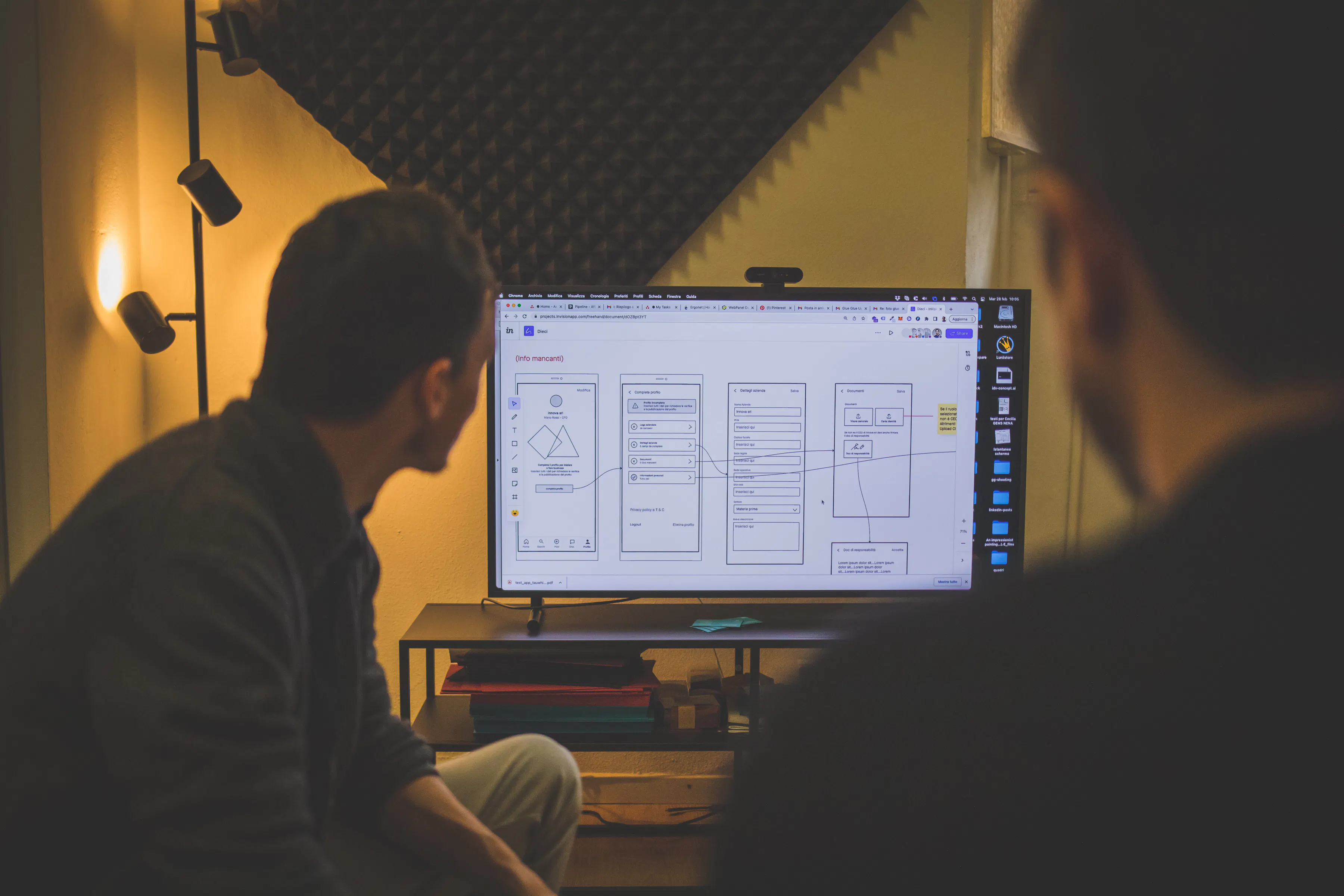
A successful app doesn't start from a feature list, but from a clear understanding of end users and their behavior. The most mature agencies integrate UX/UI design activities from the earliest stages of the project: user research, wireframes, prototyping, and testing, before a single line of code is written. This approach drastically reduces the risk of building a product users won't adopt.
2. Solid technical expertise and modern technologies
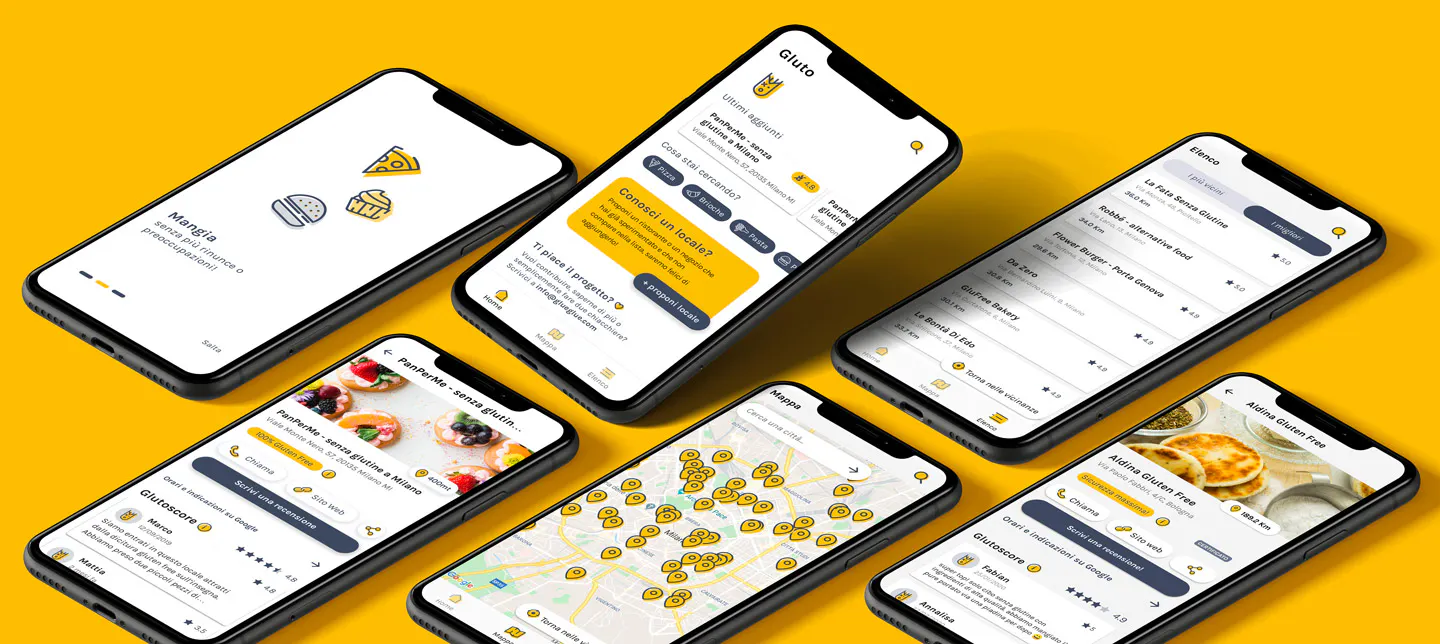
For cross-platform mobile development, frameworks like Flutter make it possible to build native-like apps for iOS and Android from a single codebase, cutting development time and costs without compromising performance. Working with a team experienced in these technologies is a guarantee in terms of quality, maintainability, and release speed.
3. Method and transparency in project management
A well-managed app development project follows clear phases: discovery, design, development, testing, and release, with regular checkpoints between client and team. Transparency around timelines, costs, and progress is what sets a reliable partner apart from a simple vendor.
4. Product vision, not just execution
The most structured teams don't just "deliver what was asked," but support the client in defining product strategy: which features truly matter most, how to validate business hypotheses, how to plan the app's future evolution. This kind of partnership generates value well beyond the single project.
The app development process: key phases
- Discovery and goal definition — Analyzing the market context, business goals, and target user needs.
- UX/UI Design — Building wireframes and interactive prototypes to validate the main flows before development.
- Development — The team builds the app using modern technologies, ensuring code quality and a scalable architecture.
- Testing and QA — Every feature is tested on real devices and scenarios to ensure stability and performance.
- Release and ongoing support — After launching on the stores, the product is monitored and improved based on real usage data.
GlueGlue's approach to app development
From Milan, GlueGlue supports startups and companies in developing mobile applications by putting design at the center of the process — not as a final decorative step, but as a strategic lever for the business. The team works in an integrated way across UX/UI design, mobile development with Flutter, and product strategy, following projects from the first idea through launch and beyond.
The studio's boutique scale — with dedicated teams and a direct relationship with the founders — allows for a level of attention and customization that's hard to find in larger structures, without giving up the technical solidity needed for complex projects.
Frequently asked questions about app development in Milan
How much does it cost to develop an app in Milan?
Cost varies widely depending on complexity, number of platforms (iOS, Android, or both), and required features. A simple MVP can start from a few thousand euros, while a complex product with a dedicated backend, integrations, and custom design requires a larger investment. The best approach is to request an initial consultation to get an estimate based on the actual project.
How long does it take to develop a mobile app?
Timelines depend on the project's scope: an MVP can be ready in 2-4 months, while a more elaborate product, with more features and integrations, can take 6 months or more. A process structured into phases (discovery, design, development, testing) helps keep timelines predictable.
Is a native app or cross-platform with Flutter better?
It depends on the project's goals. Flutter makes it possible to develop for iOS and Android from a single codebase, reducing time and cost while keeping performance close to native — it's the ideal choice for most startups and SMEs. Separate native development only makes sense for specific cases requiring very advanced hardware features or extreme performance.
Why choose an app development agency in Milan instead of a remote one?
A local team enables direct meetings, faster communication, and a better understanding of the Italian market context. For projects that require close alignment between business and product, geographic proximity can make a real difference in the quality of the collaboration.
How is an app's success measured after launch?
Through metrics such as retention rate, average usage time, conversions toward business goals, and user feedback. A good development partner doesn't stop at release, but supports the client in monitoring data and continuously iterating on the product.
Conclusion
Choosing the right partner for app development in Milan means looking beyond technical skills and evaluating a team's ability to understand the business, design effective user experiences, and support the product over time. A design-driven approach, combined with solid development expertise, is today the factor that truly makes the difference between an app that works and an app that people love to use.
Want to turn your idea into a successful app? Get in touch: the GlueGlue team is available for an initial free consultation on your project.