01
Custom web applications
Platforms with business logic no CMS can carry, from the first data model to release.




Since 2017 we have been building, in Symfony, the systems behind our clients' apps and platforms: APIs, admin tools, integrations, payments. More than a hundred of them are in production today, and we have been looking after some since 2018. We write them for whoever will have to grow them five years from now, which is often still us.
 Symfony
 PHP
 Laravel
 Doctrine
 MySQL
 PostgreSQL
 Redis
 Docker
 Stripe
 AWS
 Google Cloud
 Scaleway
 Flutter

The front-end is what people see; the back-end is what they trust. Every payment, every booking, every piece of personal data goes through it. That is why we write the tests together with the code, not after.
The back-end is the part of the product nobody sees and everything else rests on. We build it from scratch, connect it to what you already have, or take it over from whoever wrote it before us.
Platforms with business logic no CMS can carry, from the first data model to release.
The back-end behind our Flutter apps, with the contract and documentation written alongside the app, not at the end.
The tools you run the product with every day: orders, users, content, bookings.
Stripe, Mollie, SSO, CRM, ERP and third-party APIs, wired to hold up even when the other system does not answer.
An assessment of a back-end written by someone else, then a plan of work ranked by risk.
PHP and Symfony upgrades, security patches and new features. Some of the back-ends we look after have been live since 2018.
Payments, bookings, the data of thousands of people. Three projects where the back-end is the product, more than the interface is.
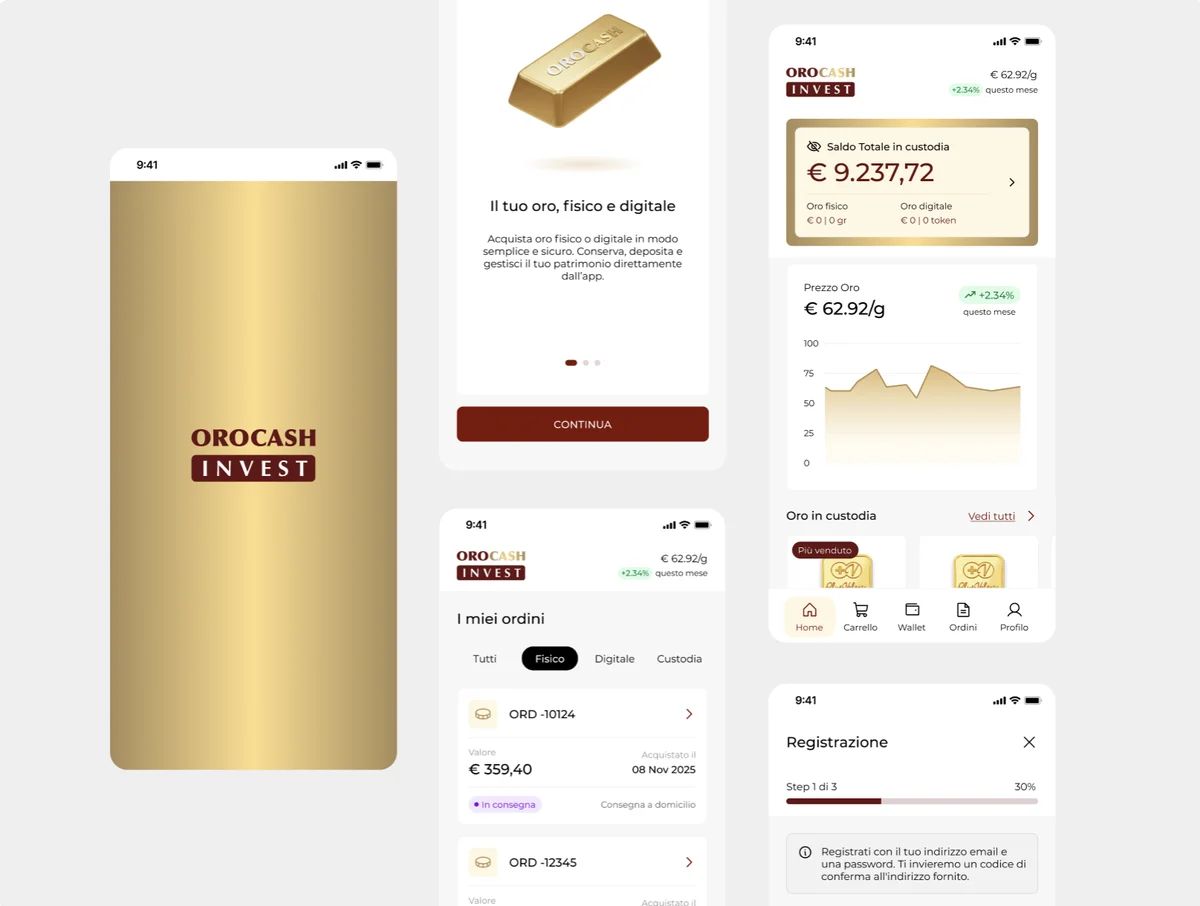
A platform for saving in gold through an accumulation plan: subscriptions, payments, selling and withdrawing the metal. It came to us already in production. We started with an assessment of the existing code and refactored it from top to bottom.
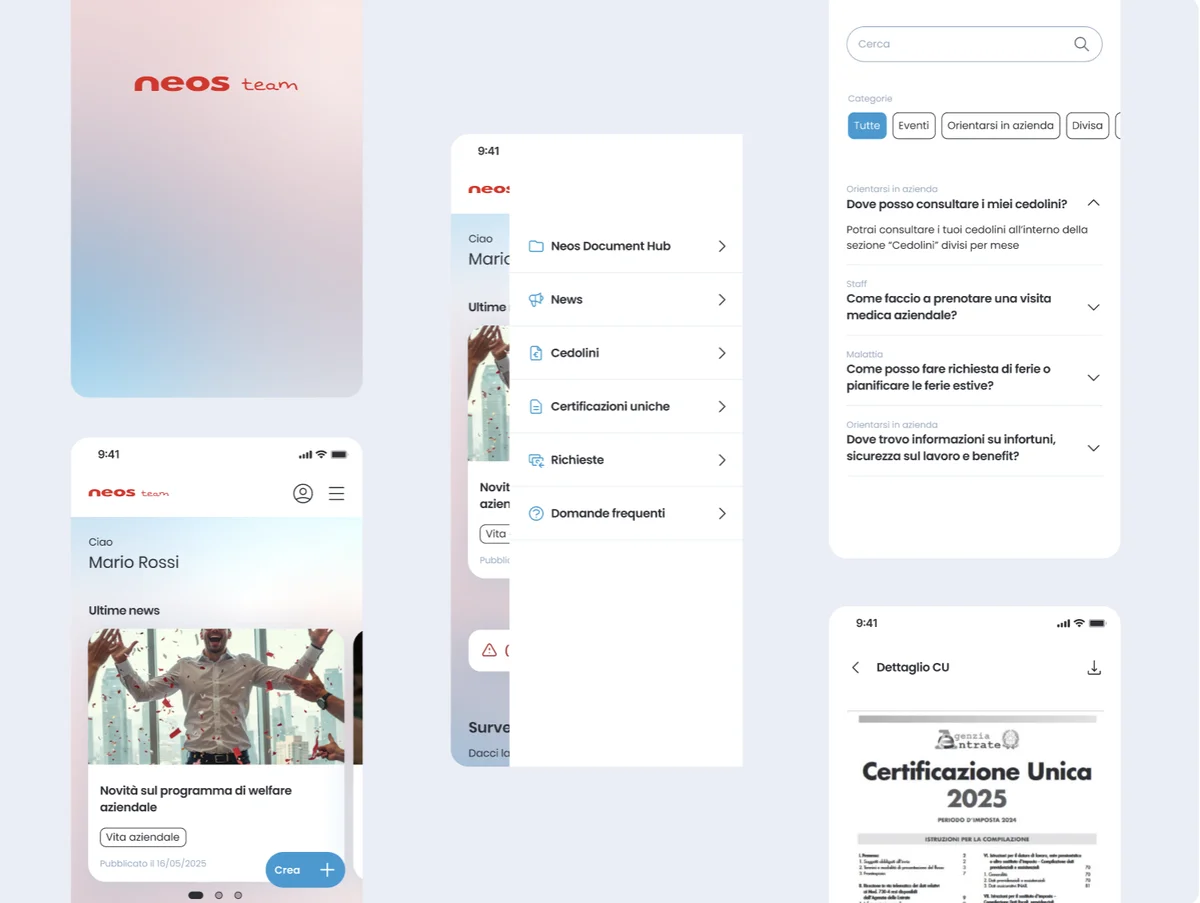
For the airline we built a back-end that talks to five different services, handles authentication and unifies their interfaces into a single API. A suite of six web and mobile apps that employees use every day runs on top of it.
The management platform of a tour operator taking groups of travellers to some forty destinations worldwide. It is not a module next to other tools: it is the system the company runs on every day, from buying flights to the last payment received.
stograntour.com
We have been designing and building digital products since 2007, and writing their back-ends in Symfony since 2017. Designers, mobile developers and back-end developers work in the same studio, on the same projects.


Whoever writes the APIs works next to whoever designs the screens and builds the app. The contract is settled in one meeting, not in an email chain between three suppliers.
The first call is with one of the partners, and whoever designs the back-end is in the meetings with you: technical questions get answered on the spot, not the week after.
If you do not need a custom back-end, or a piece is better done with a service that already exists, we tell you during the analysis. Less code to maintain is good for you too.
Some of the back-ends we look after have been live since 2018: we update them, grow them and answer when something goes wrong.
What we write belongs to the client from the first commit, never to the agency. And it is built so that anyone can keep growing it, with or without us.
Code, repositories, hosting and third-party accounts are all in your name. There is no licence to renew and no piece that stays ours.
Wherever a mature open source option exists, we choose it. No proprietary component that ties you to us or to a vendor.
Automated tests and API documentation are part of the handover: if one day you bring development in-house, your team starts from there, not from scratch.
It is not a check to run before release: it goes into the data model, into the way we write the code and into the way we keep it updated for years. A back-end that handles payments and personal data does not get a second try.
We collect only the data that is needed, encrypted in transit and, where the project requires it, at rest too. If needed, servers and backups stay in Europe.
With Stripe and Mollie, card numbers never go through the project's servers: they are handled by the payment provider, which is PCI DSS certified.
Authentication, roles and permissions with the Symfony Security component, passwords hashed with current algorithms and tokens that expire.
Security patches for PHP, Symfony and the libraries are applied when they come out, and dependencies are checked against known vulnerabilities.
Automatic database backups and a recovery procedure that has been tested, not just written down.
Errors and anomalies reach us in real time, often before anyone notices them while using the app.
It is a mature framework with long-term support versions and a predictable release calendar: a back-end written well in 2018 gets upgraded today, not rewritten. And it fits the size of the project: it carries platforms with hundreds of thousands of users and stays light when the codebase is small. Where the project or your team is already on Laravel, we work in Laravel.
If the product is an interface talking to a back-end that already exists, a single-page app with no database of its own, Symfony is not needed: it would add a layer to maintain and nothing to gain. In that case we only build the front-end, and we tell you so during the analysis.
This is the first time in my career that I work with a supplier who acts as a partner
A skilled and helpful team, and above all one attuned to understanding how a company works
Their direct and empathic approach was impressive
We are the only Italian company partner of Google Flutter. Our partnerships and awards are the lifeblood of our work: from Stripe to Google, we choose excellence to guarantee continuous value to our customers.


You do, always. The code belongs to the client, and we use open source libraries wherever possible: no proprietary component that ties you to us. If one day you want to change supplier or bring development in-house, you can do it without rewriting anything.
Yes. We start with an assessment of code, architecture and infrastructure, delivered as a document with priorities ranked by risk. From there we decide together whether to maintain it, refactor it or rewrite parts of it. That is how it went with OroCash's accumulation plan platform.
Yes. We define the API contract with your team and hand over interactive documentation to use while you build.
Yes. Today's PHP is typed, fast, and has one of the most mature ecosystems on the web. And PHP developers are easy to find, should you want an in-house team one day.
Always, by default: they are not an optional line in the quote. They are what lets us, or whoever comes after, change the code without fear of breaking it.
On the cloud that best fits the project: AWS, Google Cloud, Scaleway or Italian providers. We can look after it with ongoing care, or hand it to your team with the documentation to run it.
We do not have a price list. The cost depends on the scope, which we set at the end of the analysis. As a reference, back-end projects start at €30,000.
They are part of the project from the data model on, not a final check: data encrypted in transit, role-based permissions, security patches applied when they come out, automatic backups and continuous monitoring. With Stripe and Mollie, card data never goes through the project's servers.

A product to build, a back-end to integrate, or one written by others to put back in shape: it starts with a call with one of the partners.
Let's talk about your back-end
